
-

SEA Global Relations Outlook 2026 Report
ASEAN in 2026 is no longer operating as a neutral trade hub sitting comfortably between competing powers. It has become a contested economic and strategic space where external engagement increasingly arrives with embedded conditions that shape domestic policy choices and development pathways. Access to major markets and capital is no longer frictionless; it is mediated through tariffs, regulatory…
-
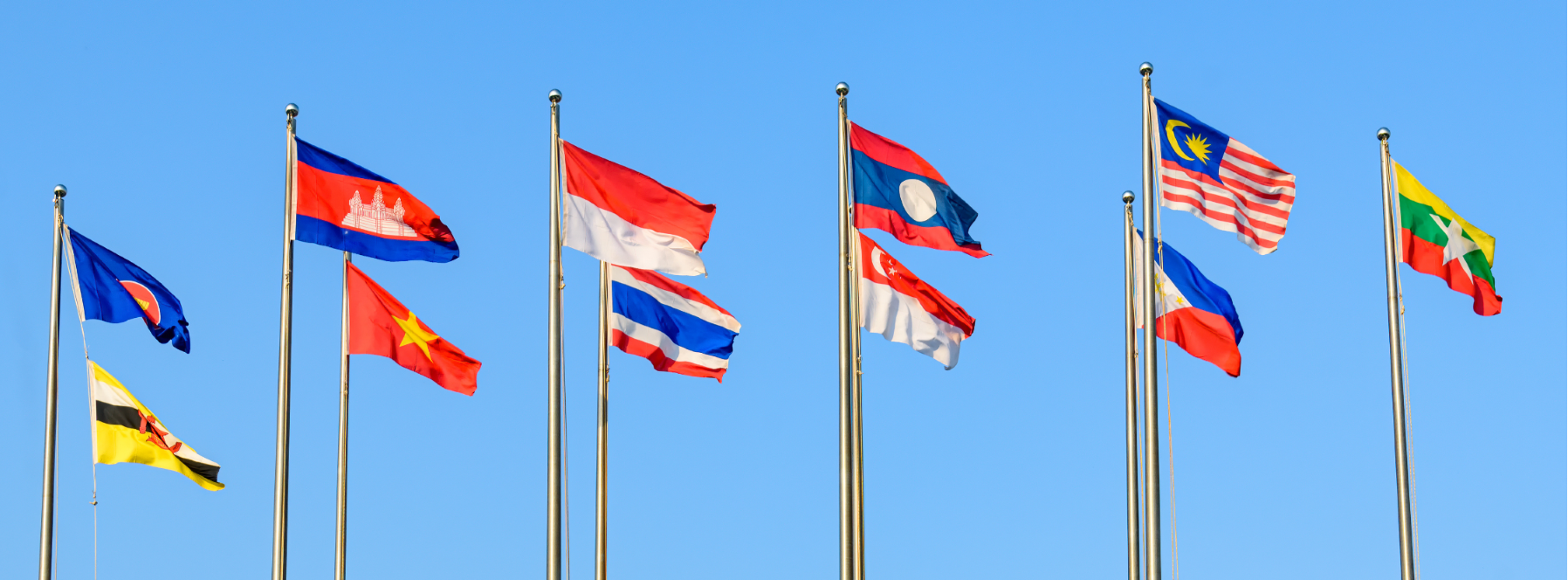
Southeast Asia Global Relations Outlook 2026 Part 1: 10 Things to Focus in 2026
ASEAN enters 2026 facing a more demanding regional and global environment. External pressure from intensifying major power competition is coinciding with persistent internal frictions that test ASEAN cohesion and policy bandwidth. The ten developments below offer a quick snapshot of the issues most likely to shape the regional agenda over the year ahead The full…
-

Proof of Human: Building a Human Network for Digital Trust and Scam Resilience in APAC
Online scams have become an industrialized, borderless enterprise. The global cybercrime economy now exceeds US$10 trillion, with over US$1 trillion lost to scams annually. Beyond financial losses, scams erode mental well-being, public trust, and drain enforcement resources. The Asia–Pacific region is both heavily targeted and operationally central: Southeast Asia hosts large-scale scam operations, often linked…
-

Exploring China’s Role in Southeast Asia’s Energy Transition
Exploring China’s Role in Southeast Asia’s Energy Transition examines how China has become a central actor in shaping Southeast Asia’s shift towards cleaner and more sustainable energy systems. The report outlines the key drivers behind China’s expanding role and its varied approaches to engagement across ASEAN member states. It includes case studies from six countries—Cambodia, Lao…
-
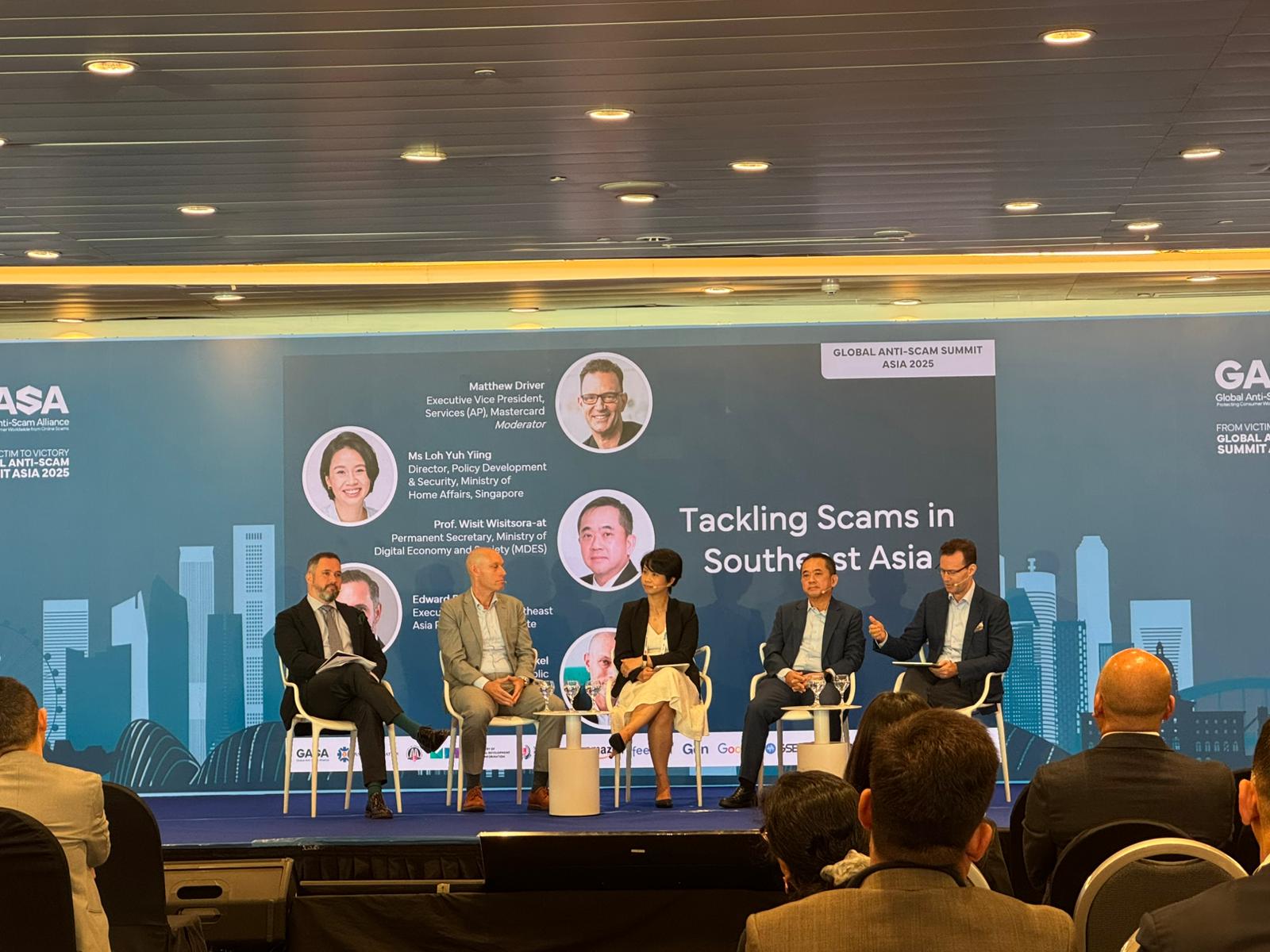
New report launched at Global Anti-Scam Summit (GASS) 2025 Asia highlights innovative responses from public and private sectors to address scams in Southeast Asia
The Institute’s September 2025 report, Towards an ASEAN Response to Scams, offers a comprehensive review of national and regional efforts to combat scams and outlines recommendations to strengthen resilience and foster cooperation through a whole-of-society approach. This Policy White Paper, in partnership with the US-ASEAN Business Council, examines on-going policy and private sector responses to…