
-
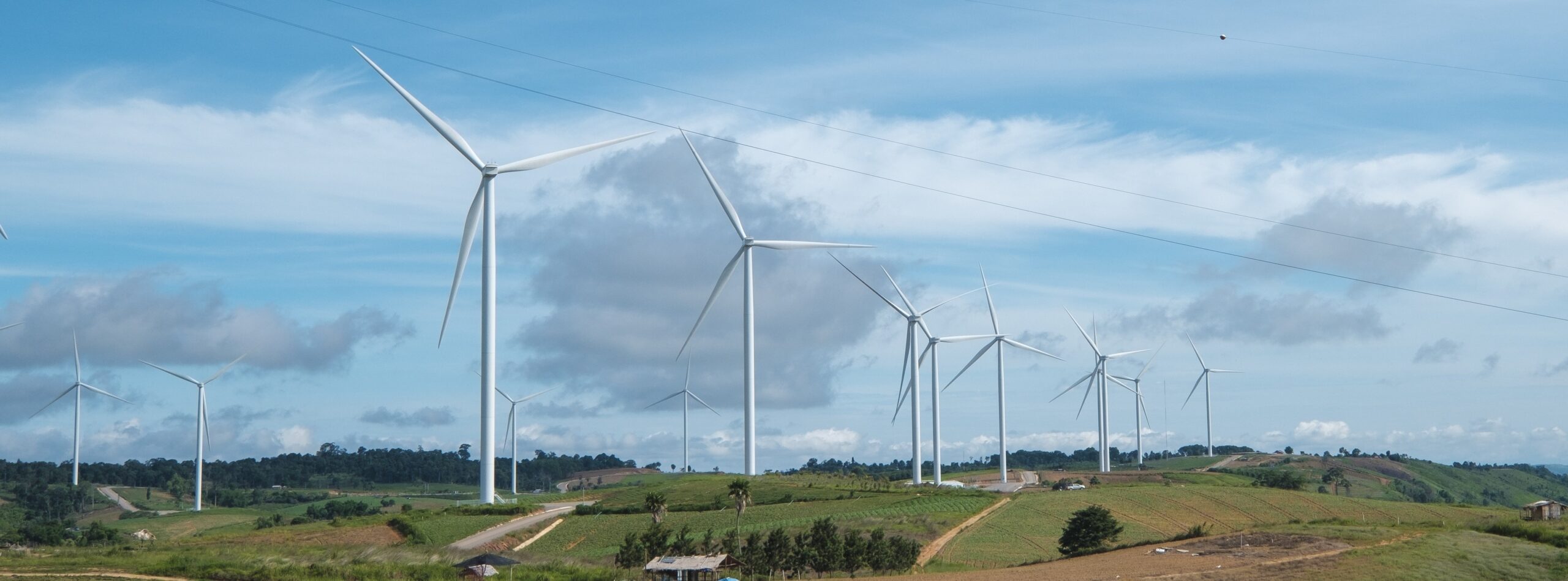
Exploring China’s Role in Southeast Asia’s Energy Transition
Exploring China’s Role in Southeast Asia’s Energy Transition examines how China has become a central actor in shaping Southeast Asia’s shift towards cleaner and more sustainable energy systems. The report outlines the key drivers behind China’s expanding role and its varied approaches to engagement across ASEAN member states. It includes case studies from six countries—Cambodia, Lao…
-

New report highlights pathways to safe and effective nuclear energy development in Southeast Asia
The Institute’s May 2025 report, Framing a Nuclear-Powered Future for ASEAN, provides a comprehensive overview of the trajectory of nuclear energy development in Southeast Asia. No ASEAN country currently operates a nuclear plant, but some are actively exploring the nuclear energy as part of their long-term energy strategies, especially in the face of the region’s…
-
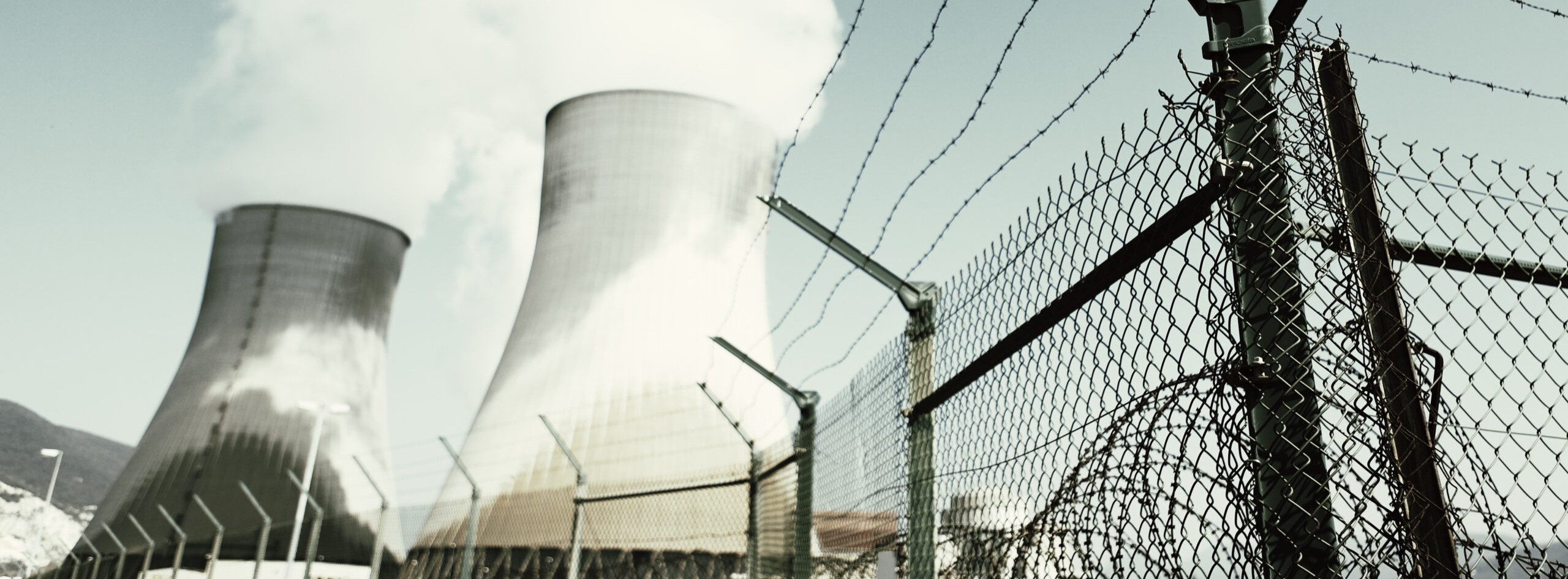
Framing a Nuclear-Powered Future for ASEAN
Framing a Nuclear-Powered Future for ASEAN discusses the trajectory of nuclear energy in ASEAN countries. The report provides an overview of the policy, geopolitical, and infrastructure drivers around nuclear energy, and lays out both the domestic and regional challenges that have shaped, and will continue to determine, Southeast Asia’s energy policy and strategic approach to…
-

Southeast Asia’s Energy Transition: Policy and Deployment
Drawing policy recommendations from an analysis of renewables deployment in the region in the 21st century. Click here for PDF version. Introduction The race for renewables continues. Growing energy demand, climate risks, and potential economic opportunities are driving countries to reduce reliance on fossil fuels and diversify their energy mix through investing in renewable energy…
-

Institute launches ‘SEA Energy Transition Blueprint’ policy programme
Institute launches core policy programme to explore pathways and policy to support Southeast Asia’s energy transition and journey to net zero.