
-

New Report Series from SEAPPI Explores Southeast Asia Tech Stack Sovereignty
Bangkok, April 2026 – The Southeast Asia Public Policy Institute (SEAPPI) has launched a new research series, Southeast Asia Tech Stack Sovereignty. The series examines how countries in Southeast Asia are positioned across the modern technology stack, from foundational inputs such as critical minerals to more advanced sectors such as electric technologies and artificial intelligence.…
-

Southeast Asia Tech Stack Sovereignty Paper 2: Critical Minerals
SEA Tech Stack Sovereignty: Critical Minerals is part of a series exploring technology sovereignty in Southeast Asia, developed by the Southeast Asia Institute. This paper builds on the framework presented in our previous paper, Southeast Asia Tech Stack Sovereignty: An Analytical Framework for Understanding Technology Sovereignty, and applies it to the real-world context of supply…
-

Southeast Asia Tech Stack Sovereignty Paper 1: An Analytical Framework for Understanding Technology Sovereignty
SEA Tech Stack Sovereignty: An Analytical Framework for Understanding Technology Sovereignty is the opening paper in a series exploring technology sovereignty in Southeast Asia, developed by the Southeast Asia Public Policy Institute. This paper establishes the conceptual foundation for the series, introducing a framework that subsequent papers apply to specific technology stacks — beginning with…
-

SEA Global Relations Outlook 2026 Report
ASEAN in 2026 is no longer operating as a neutral trade hub sitting comfortably between competing powers. It has become a contested economic and strategic space where external engagement increasingly arrives with embedded conditions that shape domestic policy choices and development pathways. Access to major markets and capital is no longer frictionless; it is mediated through tariffs, regulatory…
-
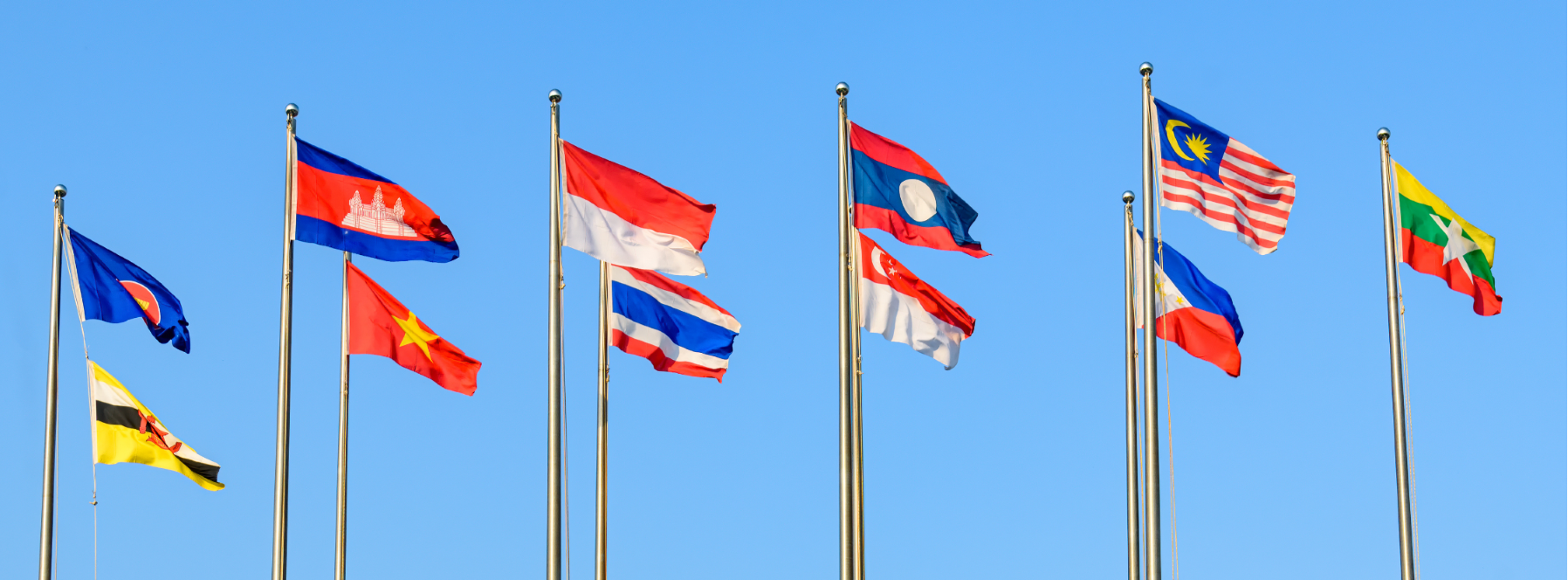
Southeast Asia Global Relations Outlook 2026 Part 1: 10 Things to Focus in 2026
ASEAN enters 2026 facing a more demanding regional and global environment. External pressure from intensifying major power competition is coinciding with persistent internal frictions that test ASEAN cohesion and policy bandwidth. The ten developments below offer a quick snapshot of the issues most likely to shape the regional agenda over the year ahead The full…